
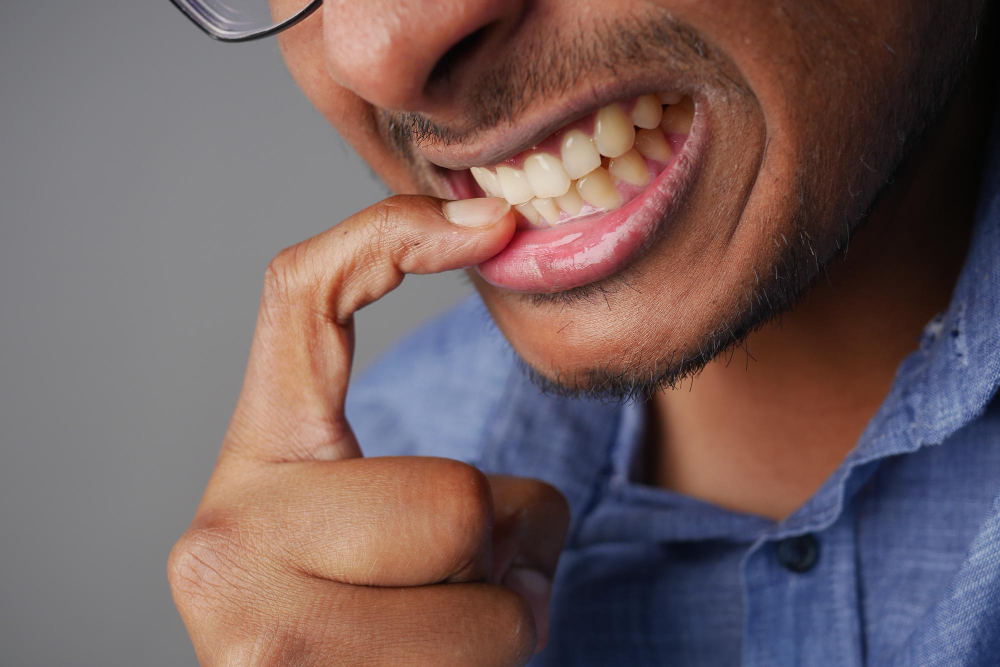
What Is Teeth Grinding?
Teeth grinding, also called bruxism, happens when you clench or grind your teeth. Many people do this at night, but it can also happen during the day. Often, people are not aware they are grinding their teeth. Sometimes, a partner or dentist notices the signs first. Over time, teeth grinding can cause problems for your mouth and jaw. According to the American Dental Association, bruxism is common in both adults and children.
Common Causes of Teeth Grinding
There are many reasons why people grind their teeth. While stress is a leading cause, other factors can play a role. For example, some medicines or health problems may make teeth grinding worse. Here are some common causes:
Because these causes can be different for each person, it is important to talk with your dentist if you notice signs of grinding.
Effects of Teeth Grinding on Oral Health
Teeth grinding can harm your mouth in several ways. Over time, even mild grinding can wear down your teeth. As a result, you might notice changes in your bite or tooth shape. Some effects include:
Additionally, teeth grinding can lead to problems with your jaw joint, called the temporomandibular joint (TMJ). This may cause pain or clicking sounds when you open your mouth.
How to Diagnose Teeth Grinding
Often, people do not realize they are grinding their teeth. However, dentists can spot the signs during a checkup. For example, they may see worn tooth surfaces or ask about jaw pain. Sometimes, a partner hears grinding sounds at night. To confirm bruxism symptoms, your dentist may:
Because early diagnosis helps prevent damage, regular dental visits are important.
Effective Ways to Protect Your Teeth from Grinding
Protecting teeth from grinding is possible with the right steps. While some methods work better for night grinding, others help during the day. Here are some proven ways to protect your teeth:
Because mouth guards are made to fit your teeth, they offer the best protection. Your dentist can help you choose the right type.
Lifestyle Tips for Managing Teeth Grinding
Making small changes in your daily routine can help reduce teeth grinding. For instance, stress management is key. Try these lifestyle tips:
Because these habits support better sleep and less stress, they may help stop grinding teeth at night.
Prevention Strategies for Teeth Grinding
Preventing teeth grinding starts with knowing your risk factors. While not all cases can be avoided, some steps may lower your chances. Consider these prevention strategies:
Because early action can protect your teeth and jaw, do not wait to seek help if you notice symptoms. Consult Dr. DEBJYOTI KARMAKAR