
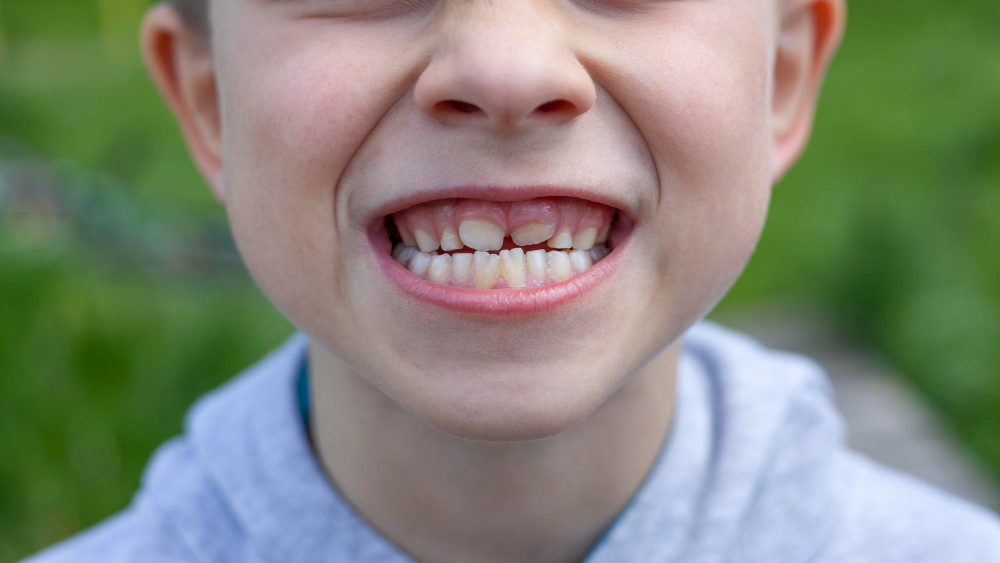
Crowded teeth in children are a common dental concern. This happens when there is not enough space for teeth to grow straight. As a result, teeth may overlap, twist, or grow out of place. Early orthodontic care for kids can help prevent problems later. Understanding the causes and solutions for crowded teeth in children can help parents make informed choices for their child’s smile.
What Are Crowded Teeth in Children?
Crowded teeth in children means the teeth do not have enough room to line up properly. Sometimes, new teeth push against each other as they come in. Because of this, teeth can appear crooked or bunched together. Crowding can happen in both baby teeth and adult teeth. While mild cases may not cause pain, severe crowding can affect chewing and cleaning.
Common Causes of Crowded Teeth in Children
Several factors can lead to dental crowding in kids. Knowing these causes helps with early orthodontic care for children.
Because many causes are out of a child’s control, regular dental visits are important.
Signs and Symptoms of Crowded Teeth
Parents can often spot signs of crowded teeth early. However, some signs are easy to miss. Watch for these symptoms:
For example, if your child struggles to floss or brush, crowded teeth may be the reason. Early signs can help you seek children’s orthodontic treatments before problems worsen.
How Dentists Diagnose Crowded Teeth in Children
Dentists use several methods to check for dental crowding. First, they look at your child’s mouth and teeth. Next, they may take dental X-rays. These images show how teeth are growing below the gums. Sometimes, dentists use dental molds to see how teeth fit together. Because early diagnosis is key, regular dental checkups are important. Dentists may also ask about family dental history. In some cases, they refer your child to an orthodontist for a full exam. Orthodontic care for children in your area can help with early treatment planning.
Orthodontic Solutions for Crowded Teeth in Children
There are many ways to treat crowded teeth in children. The right option depends on your child’s age and the amount of crowding. Dentists and orthodontists often recommend:
Because every child is different, orthodontists create a custom plan. Early orthodontic care for kids can make treatment easier and shorter.
Prevention and Early Intervention Tips for Parents
Although not all dental crowding can be prevented, parents can help lower the risk. Early steps make a big difference. Try these tips:
Because early action can prevent bigger problems, talk to your dentist if you notice changes in your child’s teeth.
Daily Care and Lifestyle Guidance for Children with Crowded Teeth
Children with crowded teeth need extra care to keep their mouths healthy. For example, brushing and flossing can be harder when teeth overlap. To help your child:
With the right daily care, children can keep their teeth and gums healthy, even if they have dental crowding. For families seeking orthodontic care for children in their city, local specialists can offer support and advice.
Conclusion
If you notice crowded teeth in your child, early care can make a big difference. Book a visit with Dr. DEBJYOTI KARMAKAR to discuss gentle orthodontic solutions for your childs healthy smile.