
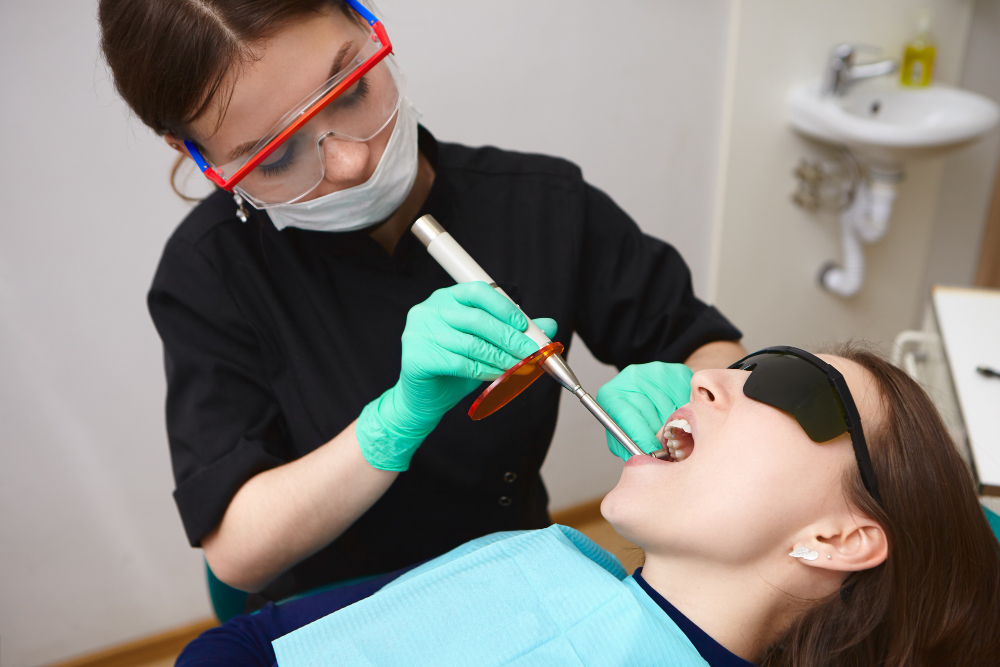
Many people wonder about the difference between dental cleaning and deep cleaning. The topic of Dental Cleaning vs Deep Cleaning is important for anyone who wants a healthy smile. Both procedures help keep your teeth and gums in good shape. However, they serve different purposes. Regular dental cleaning focuses on removing plaque and tartar from the surface of your teeth. In contrast, deep cleaning goes below the gum line to treat gum disease. Understanding these differences can help you make the best choice for your oral health.
What Is a Dental Cleaning?
Dental cleaning, also called professional teeth cleaning, is a routine procedure. Dentists or dental hygienists perform it during regular checkups. Usually, you get a dental cleaning every six months. This process removes soft plaque and hard tartar from your teeth. As a result, it helps prevent cavities and gum disease.
According to the American Dental Association (ADA), regular dental cleanings are key for maintaining oral health.
What Is a Deep Cleaning?
Deep cleaning, also known as scaling and root planing, is a special dental procedure. Dentists recommend it if you have signs of gum disease. Unlike regular cleaning, deep cleaning targets the area below the gum line. It removes harmful bacteria and tartar from the roots of your teeth.
The Centers for Disease Control and Prevention (CDC) notes that deep cleaning is a common treatment for early gum disease.
Key Differences Between Dental Cleaning and Deep Cleaning
Although both procedures clean your teeth, there are clear differences. For example, dental cleaning is preventive, while deep cleaning treats existing gum problems. Here are some key differences:
Because of these differences, your dentist will recommend the right procedure for your needs.
When Is Each Procedure Recommended?
Not everyone needs both types of cleaning. In many cases, your dental history and current health guide the choice. Here is when each procedure is usually recommended:
For example, if your dentist finds swollen gums or bleeding, they may suggest deep cleaning. The World Health Organization (WHO) also highlights the importance of early gum disease prevention.
What to Expect During Each Procedure
Knowing what to expect can ease any worries. During a professional teeth cleaning, you will sit in a dental chair. The hygienist uses special tools to remove plaque and tartar. Afterward, your teeth are polished. The whole process usually takes less than an hour.
In contrast, deep cleaning is more detailed. First, the dentist may numb your gums. Then, they use tools to clean below the gum line and smooth the roots. Sometimes, deep cleaning takes two visits. You might feel some soreness afterward, but this usually goes away quickly.
Benefits and Risks of Dental Cleaning vs Deep Cleaning
Both procedures offer important benefits. For instance, dental cleaning helps keep your mouth healthy and your breath fresh. Deep cleaning can stop gum disease from getting worse. However, there are some risks to consider.
According to dental journals, the benefits of both procedures far outweigh the risks when done by a trained professional.
How to Maintain Oral Health After Cleaning Procedures
After any cleaning, it is important to keep your mouth healthy. Good oral hygiene tips can help you avoid future problems. For best results, follow these steps:
In addition, some local dental clinics offer extra support for gum disease prevention. Ask your dentist about options in your area. By following these tips, you can keep your teeth and gums healthy for years to come.